
Products & specs
Sterile vs Non-Sterile Shoe Covers: What Food Plants Actually Need
7 October 2026 · 4 min read · Disponord
Do food plants need sterile or aseptic shoe covers? Learn the difference between sterile and clean non-sterile shoe covers, and how to specify the right ones.
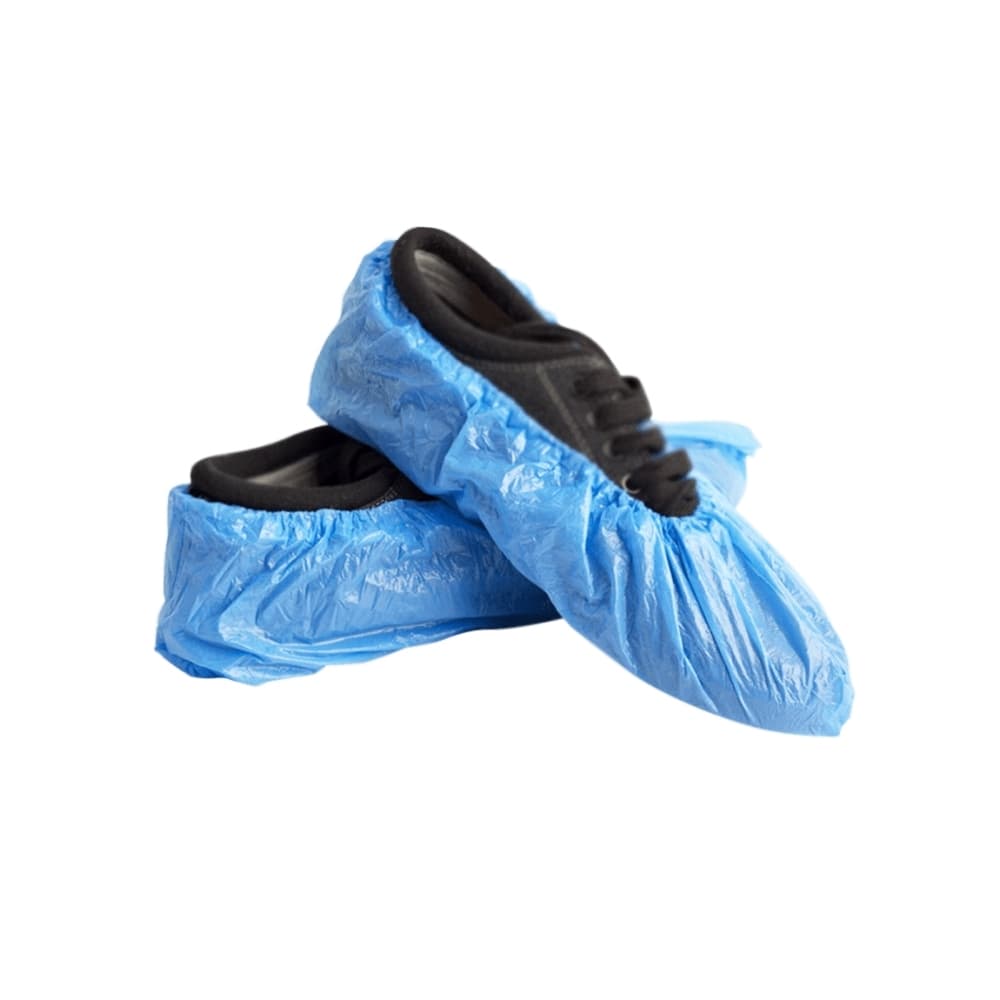
Buyers often search for "sterile shoe covers" or "aseptic shoe covers" when they really need something simpler: clean, single-use overshoes that stop dirt and contamination moving between zones. The two are not the same product, and paying for sterility you do not need is one of the easier ways to overspend on PPE.
This guide explains the difference, where sterile footwear covers genuinely belong, and how a food plant should specify the shoe covers it actually uses.
What "sterile" really means
A product is sterile only when it has been through a validated sterilisation process (gamma irradiation, ethylene oxide or steam), is sealed in packaging designed to keep it sterile, and is supplied with documentation proving it. Sterility is a measured claim, normally expressed as a sterility assurance level, and it applies to the pack, not just the product inside it. Once the pack is opened, the product is no longer sterile.
That is why sterile shoe covers are found in operating theatres, sterile pharmaceutical manufacturing and some cleanroom gowning routines. In those settings the footwear cover is part of a validated contamination-control programme.
What "aseptic" means in food
In food manufacturing, "aseptic" usually describes a process: aseptic filling and packaging of sterilised product (for example UHT milk, juices or ready meals) into sterile containers. It does not automatically mean that every garment worn in the room must be sterile.
Most aseptic food operations control people through hygiene zoning, gowning procedures, handwashing, footwear changes and cleaning, using clean single-use PPE. A small number of high-risk areas, such as some infant nutrition or pharmaceutical-grade filling rooms, may specify cleanroom-class garments. If your site is one of them, the requirement will be written into your own contamination-control procedure. That document, not a supplier's catalogue, decides what you buy.
Clean, non-sterile shoe covers: the food-plant default
For the large majority of food processing areas (raw handling, cutting, packing, dry goods, visitor routes), the real requirements are practical:
- The cover must stay on during a full shift of walking and not tear at the seam.
- It must be a different colour or visibly distinct where you use colour zoning.
- It must be disposed of at the zone boundary and replaced, not carried across.
- It must be supplied clean, in sealed cartons, without loose lint or fibre shedding.
Non-sterile PE and non-woven covers meet these needs at a fraction of the cost of sterile product. The decision between them is mostly about the floor and the task, not sterility.
| Situation | Typical choice |
|---|---|
| Visitor routes, dry packing, light traffic | Non-woven shoe covers (breathable, comfortable, quiet) |
| Wet floors, washdown areas, short tasks | PE shoe covers (waterproof, low cost per use) |
| Heavy wet zones, slaughter, fish, rendering | Boot covers (thicker PE, covers the ankle and lower leg) |
| Validated aseptic or cleanroom gowning | Sterile covers, only if your procedure requires them |
When you do need sterile product
Ask for sterile covers only when at least one of these is true:
- Your written contamination-control procedure names sterile footwear covers for that room.
- A customer or regulator audit requires documented sterility for the garments used in a specific area.
- The area is closer to pharmaceutical cleanroom practice than to normal food hygiene.
If none of these applies, specifying "sterile" adds cost and paperwork without improving your food safety outcome.
How to specify non-sterile shoe covers properly
Whatever you buy, a clear specification avoids the common problems of slipping, tearing and inconsistent supply:
- Material: PE (waterproof) or non-woven spunbond (breathable, softer).
- Thickness or weight: micron for PE, grams per square metre for non-woven. Thin PE is cheap but tears; check what your floor and walking distance demand.
- Size and elastic: one size generally fits most footwear, but check the elastic opening for a secure fit over work shoes.
- Colour: align with your zone colour code.
- Packaging: carton size and quantity per pack, so dispensers and stock rotation work.
- Anti-slip sole: relevant for non-woven covers used on smooth floors.
What Disponord supplies
Disponord supplies clean, non-sterile disposable shoe covers and boot covers for food processing: PE shoe covers for wet and short-duration tasks, non-woven shoe covers for visitors and dry zones, and thicker boot covers for heavy wet areas. We do not supply sterile product. If your zone genuinely requires it, we will say so directly rather than describe a non-sterile product in sterile terms.
If you are unsure which category your area falls into, send us the zone type and floor conditions and we will recommend a specification.
Browse all products & specs guides →
Frequently asked questions
- Are disposable shoe covers sterile?
- Not unless they are specifically manufactured, sterilised and packed as sterile products with supporting documentation. Standard food-industry shoe covers are clean but non-sterile.
- Do food factories need sterile shoe covers?
- Generally no. Most food plants control contamination with hygiene zoning, footwear changes and clean single-use covers. Sterile product is specified only where a validated cleanroom or aseptic gowning procedure requires it.
- What is the difference between aseptic and sterile shoe covers?
- "Sterile" is a documented property of a product. "Aseptic" usually describes a process or environment. A shoe cover is not made "aseptic"; it is either supplied sterile or it is not.
- Which is better for wet floors, PE or non-woven?
- PE, because it is waterproof. Non-woven suits dry areas and visitor routes where breathability and comfort matter more.
Related products
- Foot Protection
PE Shoe Covers
Waterproof PE disposable shoe covers for wet food processing zones — controls floor cross-contamination in meat, seafood and dairy areas. Bulk supply.
View product → - Foot Protection
Non-woven Shoe Covers
Breathable non-woven disposable shoe covers for dry food processing and packaging zones — bulk supply from a manufacturer and exporter.
View product → - Foot Protection
Disposable Boot Covers
Waterproof polyethylene boot covers (anti-slip sole option) for slaughterhouses and wet food plants — full lower-leg coverage, bulk packaging for facility use.
View product →
Need disposable PPE for your facility?
Send us your requirement and we'll get back to you with a quote.
Request a Quote