
Compliance & hygiene
High-Care, High-Risk and Low-Risk Zones: PPE at the Barrier
9 October 2026 · 3 min read · Disponord
Ready meals, chilled and ready-to-eat plants separate their floor into risk zones. How PPE changes at each barrier, and what a practical changing routine looks like.
Key takeaways
- The barrier between a raw or low-risk side and a high-care side is where PPE is changed, not just added.
- Each side needs its own dispensers and bins, so nothing has to be carried across the line.
- Terms and exact requirements vary by standard and customer, so the written zoning procedure of the plant decides what is used.
Plants that make ready meals, sandwiches, chilled desserts, cooked meats and other ready-to-eat food usually divide their floor into zones of different hygiene risk. Customers and standards use varying names for them, most often low risk, high care and high risk, and the exact definitions depend on the scheme and the customer. What is common to all of them is the principle: the further a product is along towards being ready to eat, the stricter the control of what people and equipment bring in. This guide looks at how single-use PPE fits that principle, and where plants most often get the barrier wrong.
The idea behind zoning
A raw or low-risk area is expected to carry a higher microbial load than the area where cooked or ready-to-eat product is handled. If staff, equipment or footwear move freely between them, that load travels with them. Zoning, physical barriers and changing procedures exist to stop that. PPE is one tool among several, alongside layout, air flow, handwashing and cleaning, and it is only effective when the procedure around it is followed.
What changes at the barrier
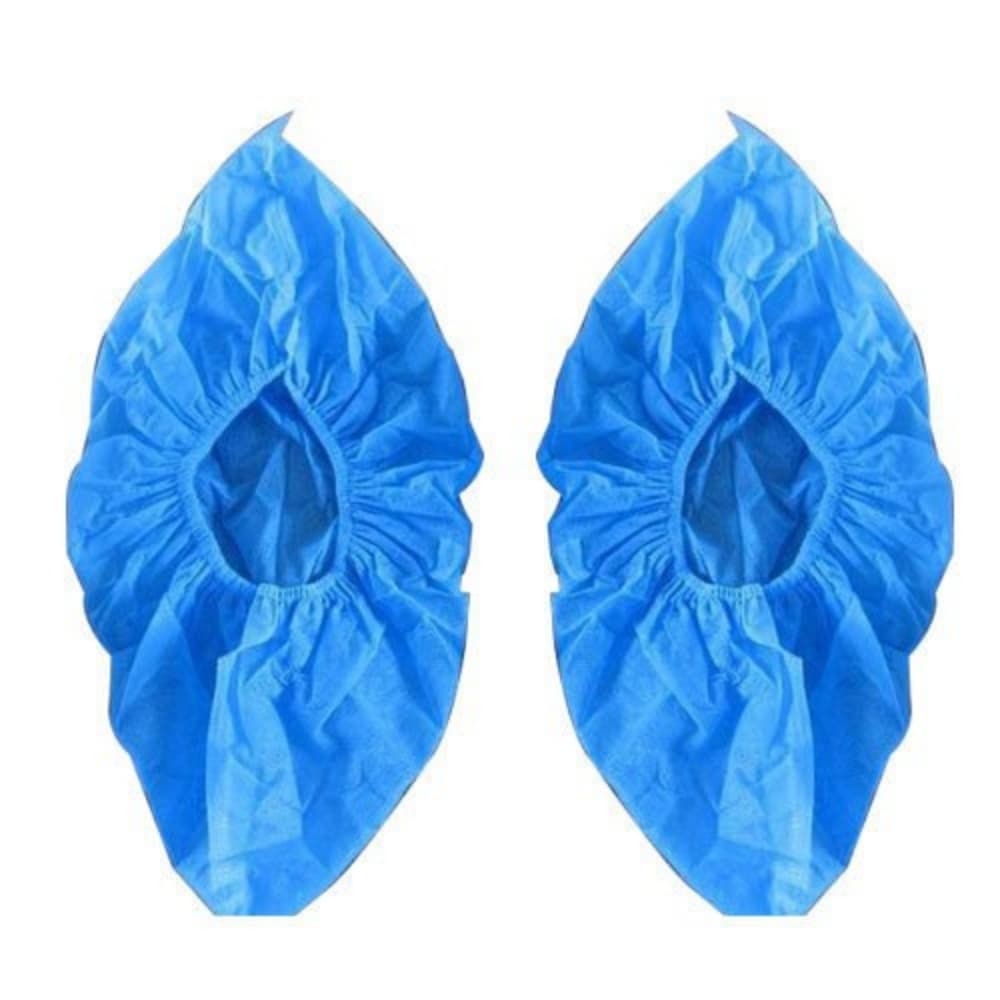
- Footwear: a change of footwear or a fresh pair of shoe or boot covers, normally over a step-over bench or barrier so that feet never touch the floor on the wrong side.
- Outer garment: a clean gown, apron or coverall specific to the zone, in the zone colour, put on after the change.
- Head and face: a fresh hair net and beard cover where the rule requires it, put on before entry.
- Hands: handwashing and sanitising at the barrier, as defined by the site procedure.
- Disposal: single-use PPE from the lower-risk side is removed and discarded at the barrier, not carried across.
Dispensers and bins on both sides
A barrier fails when it is inconvenient. If the only dispenser is on the wrong side, or the bin is far away, staff improvise. Provide a dispenser for each size and type on the clean side, a bin on the lower-risk side, and clear signage so people know the order of steps. Keep spares of every item in the changing area so a missing size is never a reason to skip a step.
Colour as a visual control
Using a different colour for each zone makes a breach visible without anyone checking a record. A person in a lower-risk colour on the high-care side stands out immediately. The colour scheme should be written into the procedure, applied to hair nets, gowns and shoe covers consistently, and reinforced by training. See Colour-Coding Disposable PPE by Zone for how to set one up and keep supply consistent.
Visitors, maintenance and contractors
People who do not work in the zone every day are the most common source of barrier breaches. Visitors and contractors should receive the same barrier routine as staff, with an induction and the correct PPE issued in the correct colour. Maintenance staff who move between zones deserve a clear rule on when PPE is changed, including after touching bins, floors or equipment. The audit angle is in the Disposable PPE Checklist for Food Safety Audits.
What Disponord supplies
Disponord manufactures and exports disposable hair nets, beard covers, sleeve covers, aprons, shoe and boot covers, visitor gowns and coveralls in the colours a zoning scheme needs. Our products are supporting equipment for the plant hygiene procedure; the procedure and the zone definitions stay with the producer. Send your zone list through the quote form for a proposed range.
Browse all compliance & hygiene guides →
Frequently asked questions
- What is the difference between high-care and high-risk areas?
- The definitions depend on the scheme and the customer. Generally, both handle product that will not be cooked again, and high-risk areas apply the strictest controls. Follow the definitions in your own zoning procedure.
- Do shoe covers replace a footwear change at the barrier?
- Not always. Many plants use dedicated footwear or a boot change at the barrier and use covers for visitors or short entries. The site procedure decides which is required.
- How often should PPE be changed between zones?
- Every time a person crosses a barrier into a higher-hygiene zone, and after breaks or any contamination. Single-use PPE makes this simple because nothing needs washing.
Related products
- Head Protection
Disposable Hair Nets
Non-woven bouffant caps with double elastic band for food processing — breathable, controls hair contamination in production and packaging zones.
View product → - Face Protection
Disposable Beard Covers
Single-use non-woven beard covers with a single elastic loop — for food processing, meat plants and food service kitchens.
View product → - Foot Protection
Non-woven Shoe Covers
Breathable non-woven disposable shoe covers for dry food processing and packaging zones — bulk supply from a manufacturer and exporter.
View product → - Body Protection
Disposable Visitor Gowns
Non-woven visitor gowns with velcro front and elastic cuffs for food processing plants — also used as a lab-coat-style disposable coat for staff and QA areas.
View product →

Need disposable PPE for your facility?
Send us your requirement and we'll get back to you with a quote.
Request a Quote