
Industry guides
Disposable PPE for Pet Food and Animal Feed Plants
9 October 2026 · 2 min read · Disponord
Pet food and feed plants combine dust, raw materials and strict contamination control. Which disposable PPE fits dry, wet and raw zones, and why visitors matter.
Key takeaways
- Pet food and feed plants are hygiene-controlled sites too, with dust, raw materials and visitors as the main concerns.
- Non-woven suits dusty dry zones; PE aprons, sleeve covers and boot covers suit wet and raw-material handling.
- Footwear control at the entrance and between zones is often the single most useful measure, especially for visitors and drivers.
Pet food and animal feed plants are sometimes treated as the poorer cousin of human food, but their hygiene requirements are real. Contamination of pet food and feed, including with Salmonella, is a recognised concern, customers audit these sites, and many plants handle raw meat, fish or grain on the same site as finished product. The PPE, therefore, is not so different from other food sites, but the mix of dust, raw materials and heavy vehicle traffic changes where the emphasis falls.
What is different about pet food and feed plants
- Dust from grain, meal and dry ingredients settles on clothing and hair.
- Raw materials, such as meat, fish and by-products, bring wet, high-contamination work close to finished product.
- Vehicles, drivers and contractors visit regularly, which makes footwear and visitor control central.
- Bagging and packing lines handle finished product in open or semi-open form.
Dry zones: mixing, extrusion and bagging
In dusty, dry areas, comfort and breathability matter. Non-woven hair nets, sleeve covers and gowns suit these zones, with a beard cover where required. Sleeve covers keep dust off forearms and clothing, and a clean gown stops fibre from work clothing reaching product. Replace PPE after breaks and cleaning, since dust loads quickly. For the sleeve question see Non-woven Arm Sleeves.
Raw material and wet zones
Where raw meat, fish or wet ingredients are handled, PE is the practical choice: PE aprons, PE sleeve covers and boot covers, which are waterproof and replaced rather than washed. Keep this PPE on the raw side and discard it at the boundary. The reasoning is the same as in meat plants; see Choosing the Right Disposable PPE for Meat Processing Plants and PE vs Non-woven Disposable PPE.
Footwear, drivers and visitors
Yards, loading bays and intake areas are the dirtiest parts of a site, and soles carry that dirt into the building. A footwear change or boot covers at the entrance, together with a rule that drivers and visitors do not enter production without them, removes a major route of contamination. Provide a fixed visitor kit at the entrance, with hair net, gown and boot or shoe covers, and make it the same for everyone. The Disposable PPE Checklist for Food Safety Audits covers what auditors look for.
Practical tips
- Use a distinct colour for raw-material staff so anyone crossing to the finished side is visible. See Colour-Coding Disposable PPE by Zone.
- Place bins and dispensers at the entrance to every zone, not only at the main door.
- Stock extra boot covers and aprons for cleaning shifts and for peak delivery days.
What Disponord supplies
Disponord manufactures and exports disposable hair nets, beard covers, PE aprons, sleeve covers, shoe and boot covers, visitor gowns and coveralls for food, pet food and feed processing. Our products are hygiene supporting equipment, and the plant's own hygiene programme stays with the producer. Send your zones and volumes through the quote form for a proposed range.
Frequently asked questions
- Do pet food plants need the same PPE as human food plants?
- The basic items are the same: hair restraints, clean outer garments and footwear control. The emphasis differs, with more attention on dust, raw materials and visitor and driver control.
- What PPE is best for dusty feed mills?
- Breathable non-woven items, such as hair nets, sleeve covers and gowns, because they are comfortable over a long shift. Replace them after breaks and cleaning.
- Should drivers and visitors wear PPE in a feed plant?
- Yes. They bring dirt from outside, so they should put on boot or shoe covers and the visitor kit at the entrance.
Related products
- Head Protection
Disposable Hair Nets
Non-woven bouffant caps with double elastic band for food processing — breathable, controls hair contamination in production and packaging zones.
View product → - Foot Protection
Disposable Boot Covers
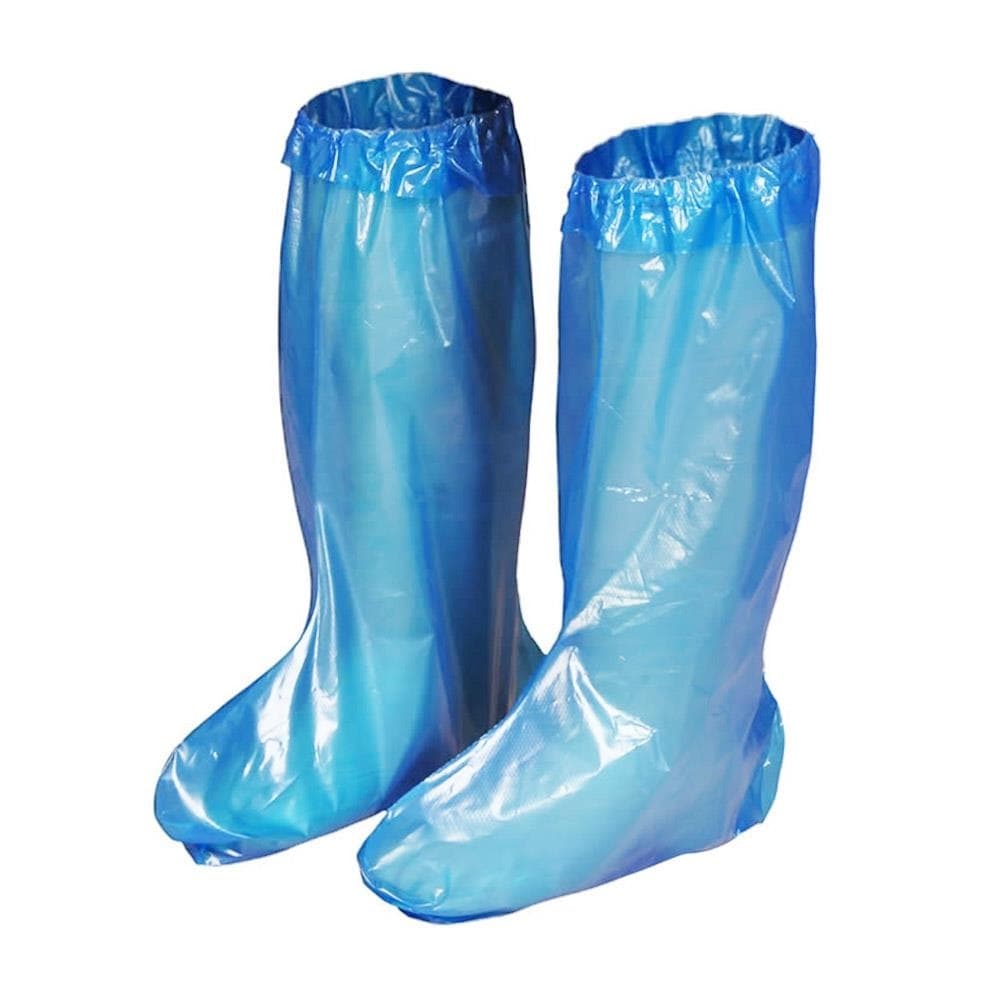
Waterproof polyethylene boot covers (anti-slip sole option) for slaughterhouses and wet food plants — full lower-leg coverage, bulk packaging for facility use.
View product → - Arm Protection
Non-woven Sleeve Covers
Breathable non-woven sleeve covers with ultrasonic seams and elastic cuffs — for food handling, packaging and dry processing zones.
View product → - Body Protection
Disposable PE Aprons
Lightweight waterproof polyethylene aprons for food handling and wet processing — knee-length coverage for meat, dairy and packaging zones.
View product →


Need disposable PPE for your facility?
Send us your requirement and we'll get back to you with a quote.
Request a Quote