
Industry guides
Disposable PPE for Fruit, Vegetable and Salad Processing
9 October 2026 · 3 min read · Disponord
Produce plants deal with soil, water and short shelf lives rather than blood and fat. Which disposable PPE fits washing, cutting and packing zones, and how to keep soil out of the clean side.
Key takeaways
- Produce plants split into a dirty intake and washing side and a clean cutting and packing side, and PPE should change at that line.
- Wet washing zones suit PE aprons, sleeve covers and boot covers; dry cutting and packing zones suit breathable non-woven.
- Fresh-cut and salad lines are ready to eat in practice, so hair and beard restraints and footwear control matter as much as in meat plants.
Fruit, vegetable and fresh-cut salad plants are not meat plants with different raw material. The hazards are different: soil and field debris on the way in, large volumes of water in the washing stages, and a short shelf life that leaves little room for contamination after the wash. The PPE should follow those conditions, not be copied from a butchery or a bakery. This guide sets out what each zone of a typical produce plant needs and where single-use items earn their place.
What makes produce plants different
Incoming produce arrives with soil, stones, leaf debris and sometimes pests. The intake and first-wash area is therefore the dirtiest part of the building, and the cutting, mixing and packing areas that follow are expected to be much cleaner. Many products leave the plant ready to eat, with no cooking step afterwards, so what lands on the product in the cut and pack stages stays on it. The practical consequence is a strong boundary between the dirty and the clean side, with PPE that changes when people cross it.
Zone by zone
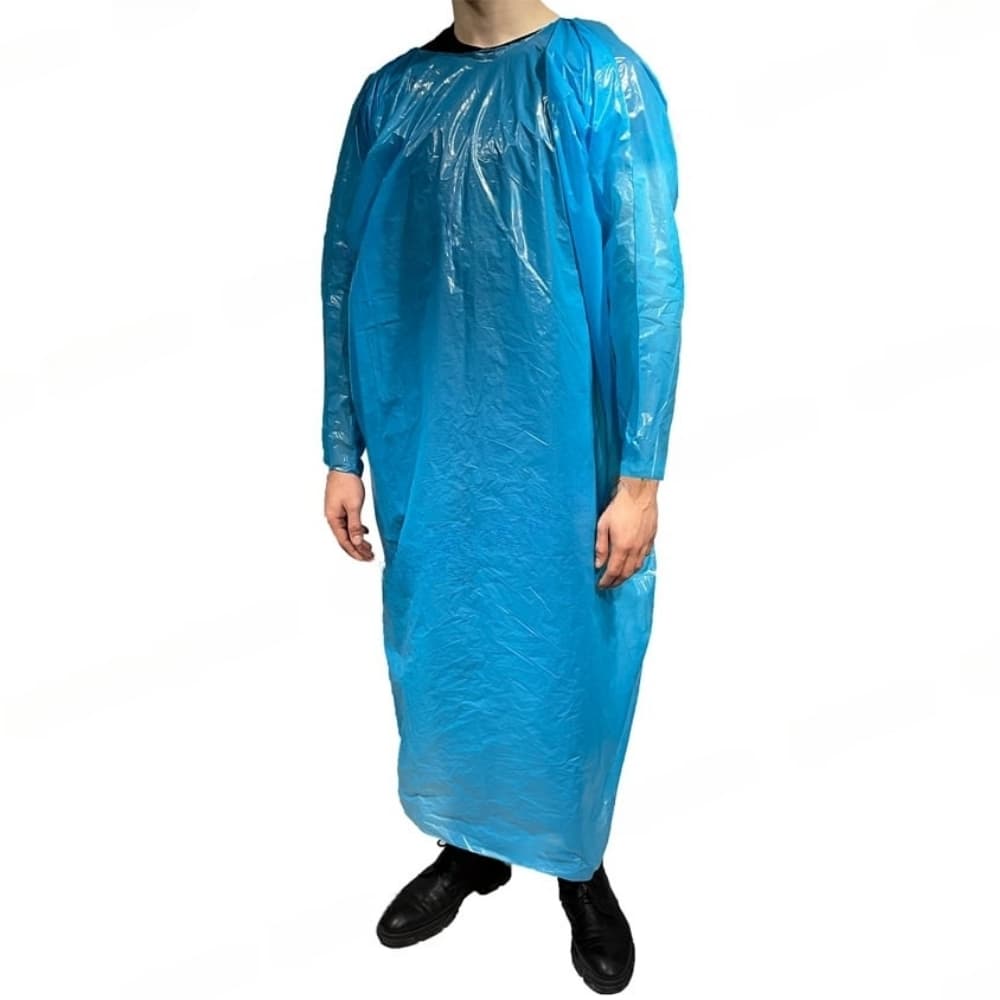
- Intake, tipping and first wash: PE aprons, PE sleeve covers and boot covers, because the area is wet and muddy and clothing needs a waterproof layer.
- Trimming and sorting: hair net, beard cover where required, sleeve covers and an apron matched to how wet the table is.
- Cutting, slicing and mixing: hair and beard restraints, non-woven sleeve covers and a gown or apron, with a fresh set after breaks.
- Packing and dispatch: hair and beard restraints, sleeve covers where forearms reach into open product, and shoe covers or dedicated footwear.
- Visitors and maintenance: hair net, beard cover, gown or coverall and shoe covers before entry beyond the dirty side.
Keeping soil off the clean side
Footwear is the most common route for soil to move from intake to cutting. A boot or shoe change at the boundary, with covers removed and discarded there, does more for hygiene than any amount of cleaning further down the line. Where the plant uses dedicated boots on the dirty side, disposable shoe covers or a separate pair on the clean side give a visible line that supervisors and auditors can check. See Shoe Covers vs Boot Covers in Food Plants for how to choose between them.
PE or non-woven in a produce plant
Use PE where water is the issue: washing, flume areas, hosing and wet trimming. Use non-woven where people work for long periods in cool, dry cutting and packing rooms, since it breathes and is more comfortable over a full shift. Most produce plants need both, and the dividing line is usually the same as the dirty-to-clean boundary. The PE vs Non-woven comparison goes through this in more detail.
Practical tips
- Put the colour change at the dirty-to-clean boundary, so anyone carrying intake PPE onto the clean side is visible. See Colour-Coding Disposable PPE by Zone.
- Keep dispensers and a waste bin on both sides of the boundary, so discarding is never inconvenient.
- Plan stock for the harvest peak. Consumption rises with volume, and running out of one item is how rules get skipped.
- Use contrasting colours where fragments could be spotted against produce, such as blue against pale leaves.
What Disponord supplies
Disponord manufactures and exports disposable hair nets, beard covers, PE aprons and long aprons, sleeve covers, shoe and boot covers, visitor gowns and coveralls for food processing. Send us your zone list and expected volumes through the quote form and we will propose a consistent range for both the wet and the dry side of your plant.
Frequently asked questions
- What PPE is needed in a vegetable processing plant?
- At minimum a hair net covering all hair, a beard cover where facial hair requires it, an apron or gown suited to how wet the area is, and appropriate footwear or covers. Sleeve covers are added where forearms contact open product.
- Do salad and fresh-cut plants need the same PPE as meat plants?
- The basic items are the same, but the wet-zone items matter more on the washing side and the dirty-to-clean boundary matters more than in most meat layouts, because soil is the main contaminant coming in.
- Is PE or non-woven better for washing areas?
- PE, because it is waterproof. Non-woven suits the drier cutting and packing rooms where comfort over a long shift matters more.
Related products
- Head Protection
Disposable Hair Nets
Non-woven bouffant caps with double elastic band for food processing — breathable, controls hair contamination in production and packaging zones.
View product → - Foot Protection
Disposable Boot Covers
Waterproof polyethylene boot covers (anti-slip sole option) for slaughterhouses and wet food plants — full lower-leg coverage, bulk packaging for facility use.
View product → - Arm Protection
Non-woven Sleeve Covers
Breathable non-woven sleeve covers with ultrasonic seams and elastic cuffs — for food handling, packaging and dry processing zones.
View product → - Body Protection
Disposable PE Long Aprons
Ankle-length waterproof polyethylene aprons for maximum coverage in seafood, fish and heavy wet food-processing environments.
View product →

Need disposable PPE for your facility?
Send us your requirement and we'll get back to you with a quote.
Request a Quote